Choosing the right kayak is crucial for a safe and enjoyable experience. This guide helps you consider factors like fit, performance, and comfort to make an informed decision.
1.1 Understanding the Importance of Choosing the Right Kayak

Selecting the right kayak is vital for safety, comfort, and performance. A well-chosen kayak ensures proper fit, stability, and maneuverability, enhancing your paddling experience. Factors like your height, weight, and paddling goals significantly impact your choice. A kayak that matches your needs provides better control and reduces fatigue. Conversely, a poor fit can lead to discomfort or even safety risks. Understanding these elements helps you make an informed decision, ensuring your kayaking adventures are enjoyable and stress-free. This guide will help you navigate the process with confidence.
1.2 Brief Overview of Kayak Types and Uses

Kayaks vary widely, catering to different paddling styles and environments. Recreational kayaks are ideal for calm waters, offering stability and ease of use. Touring kayaks are designed for long-distance trips, emphasizing speed and efficiency. Whitewater kayaks are built for thrilling river adventures, with high maneuverability. Inflatable kayaks provide portability and versatility, while tandem kayaks accommodate two paddlers. Each type serves specific purposes, ensuring there’s a kayak for every preference and skill level. Understanding these options helps narrow your search and find the perfect fit for your kayaking needs.

Assessing Your Needs and Preferences
Assessing your needs and preferences is key to selecting the right kayak. Consider your kayaking goals, experience level, physical fit, and budget to make an informed decision.
2.1 Determining Your Kayaking Goals (Recreational, Touring, Whitewater)
Your kayaking goals significantly influence your choice of kayak. Recreational kayaking involves calm waters, while touring requires longer distances and stability. Whitewater kayaking demands maneuverability and durability. Assessing your primary use helps narrow down options, ensuring the kayak meets your needs. Whether you seek relaxation, exploration, or adrenaline, aligning your goals with the kayak’s design ensures a better fit and enhanced performance. This step is crucial for a satisfying and safe kayaking experience.
2.2 Considering Your Experience Level (Beginner, Intermediate, Advanced)
Your experience level plays a key role in selecting the right kayak. Beginners benefit from stable, easy-to-maneuver models with forgiving designs. Intermediate paddlers may seek a balance between stability and performance, while advanced kayakers often prefer high-performance boats tailored for specific conditions. Understanding your skill level ensures you choose a kayak that matches your abilities, enhancing safety and enjoyment. This consideration helps avoid challenges that might discourage or overwhelm, ensuring a positive kayaking experience from the start.
2.3 Evaluating Your Physical Attributes (Height, Weight, Body Shape)
Your physical attributes significantly influence kayak selection. Taller individuals may need more legroom, while heavier paddlers require a kayak with a higher weight capacity. Body shape affects seat and cockpit fit, ensuring comfort during extended use. Proper fit enhances stability, maneuverability, and overall enjoyment. Consider these factors to choose a kayak that accommodates your size and shape, ensuring a comfortable and safe paddling experience tailored to your needs.
2.4 Budget Considerations
Setting a budget is essential when selecting a kayak. Prices vary widely based on type, material, and features. Consider not only the kayak’s cost but also accessories like paddles, PFDs, and clothing. Higher-priced kayaks often offer better performance, durability, and comfort, but affordable options are available for beginners. Determine your spending limit and balance it with your needs. Researching and comparing prices can help you find the best value within your budget, ensuring a cost-effective purchase that meets your kayaking goals without financial strain.
Understanding Kayak Types
Understanding kayak types is key to making the right choice. Kayaks vary in design, purpose, and features, catering to different paddling styles and preferences, helping you find the best fit.
3.1 Recreational Kayaks
Recreational kayaks are ideal for casual paddling on calm waters, such as lakes, slow rivers, and coastal areas. They are designed for stability and ease of use, making them perfect for beginners. These kayaks typically feature a wider hull for better balance and a shorter length for easy maneuverability. They often come with comfortable seating and storage spaces for small trips. Recreational kayaks are great for those looking to enjoy a relaxing day on the water without the need for high-speed performance or long-distance touring capabilities.
3.2 Touring Kayaks
Touring kayaks are designed for long-distance paddling on open water, such as oceans, seas, and large lakes. They are longer and narrower than recreational kayaks, offering greater speed and tracking efficiency. These kayaks typically feature a streamlined hull for better glide and are equipped with ample storage space for multi-day trips. Touring kayaks are ideal for experienced paddlers seeking adventure and exploration. They often include ergonomic seating and footrests for comfort during extended journeys, making them a great choice for those who want to cover more water and enjoy the thrill of open-water kayaking.
3.3 Whitewater Kayaks
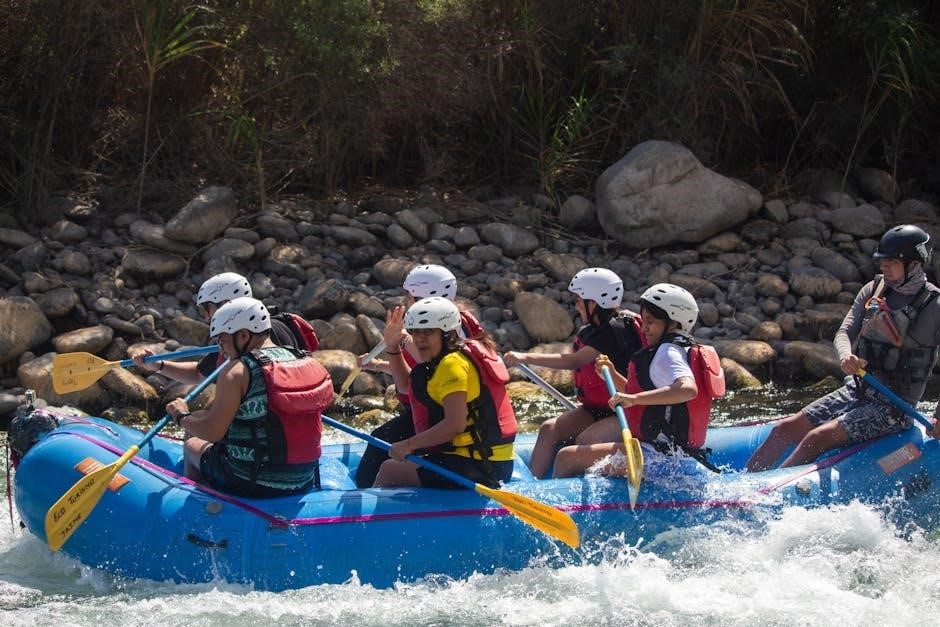
Whitewater kayaks are designed for navigating rough, fast-moving rivers and rapids. They are shorter and more maneuverable than other types, allowing quick turns and control in turbulent water. These kayaks are typically made of durable materials, such as high-impact plastics, to withstand rough conditions. They feature a rounded hull for agility and are often used by experienced paddlers seeking adrenaline. Whitewater kayaks are ideal for those who enjoy the thrill of river rapids and require a kayak that can handle intense, dynamic environments while providing stability and responsiveness in challenging water conditions.
3.4 Inflatable Kayaks
Inflatable kayaks are lightweight and portable, making them ideal for casual paddling on calm waters. They are easy to transport and store, perfect for beginners or those with limited space. These kayaks are constructed with durable materials like PVC to withstand punctures and abrasions. Inflatable kayaks are versatile, suitable for lakes, slow rivers, and even ocean bays. They often feature adjustable seats and footrests for comfort. While they may lack the speed of rigid kayaks, their convenience and ease of use make them a popular choice for recreational paddlers seeking flexibility and simplicity in their kayaking adventures.
3.5 Tandem Kayaks
Tandem kayaks are designed for two paddlers, offering a shared experience on the water. They are ideal for couples, families, or teaching a novice kayaker. These kayaks are generally longer and wider than solo models, providing stability and space for both paddlers. Tandem kayaks are versatile, suitable for calm waters, touring, or light whitewater. They often feature adjustable seats and footrests to accommodate different paddlers. While they can be heavier and less maneuverable than solo kayaks, tandem models foster teamwork and social interaction, making them a great choice for those who enjoy paddling with a partner.
Key Design and Construction Features
Key design features like length, width, and hull shape impact stability and maneuverability. Materials and weight capacity ensure durability, while ergonomic elements enhance comfort and paddling efficiency.
4.1 Length, Width, and Volume
Length, width, and volume are critical factors in kayak design. A longer kayak offers better speed and tracking, while a shorter one improves maneuverability. Width affects stability; wider kayaks are more stable but may sacrifice speed. Volume determines buoyancy and the kayak’s ability to support the paddler’s weight. Proper volume ensures the kayak floats efficiently, while insufficient volume can make it feel sluggish. Balancing these elements is key to selecting a kayak that meets your paddling needs and preferences. Always consider your intended use when evaluating these dimensions.
4.2 Hull Shape and Stability
Hull shape significantly impacts a kayak’s stability and performance. A rounded hull offers excellent maneuverability, making it ideal for whitewater or tight spaces. A flat hull provides superior stability, suitable for calm waters and beginners. V-shaped hulls strike a balance, offering both tracking and stability. Primary stability refers to how steady the kayak feels at rest, while secondary stability determines its performance during leans or rough conditions. Choosing the right hull shape ensures a comfortable and confident paddling experience, tailored to your skill level and paddling environment.
4.3 Material Options (Plastic, Fiberglass, Carbon Fiber, Inflatable)
Kayak materials vary in durability, weight, and cost. Plastic kayaks are durable and affordable, making them ideal for casual use. Fiberglass offers a lightweight yet sturdy option, suitable for touring. Carbon fiber is the lightest and most responsive, perfect for performance-oriented paddlers. Inflatable kayaks are portable and easy to store, great for recreational use. Each material has its pros and cons, so consider your needs and preferences when selecting the right one for your kayaking adventures.
4.4 Weight Capacity and Durability

Weight capacity and durability are critical factors in choosing a kayak. Ensure the kayak’s weight limit accommodates you and your gear for optimal stability and performance. Exceeding the capacity can compromise safety and efficiency. Durability depends on materials and construction quality, with higher-quality options lasting longer. Look for kayaks made from robust materials that can withstand rough conditions and regular use. Proper maintenance, such as cleaning and storing correctly, also extends the kayak’s lifespan. Prioritizing these aspects ensures a safe and enjoyable paddling experience for years to come.
4.5 Ergonomic Features (Seat, Footrests, Backrest)
Ergonomic features are essential for comfort and efficiency while kayaking. A well-designed seat with adjustable height and cushioning ensures proper posture and reduces fatigue. Footrests should be adjustable to fit your leg length, allowing for optimal paddling technique. A supportive backrest enhances stability and comfort, especially on long trips. Look for kayaks with customizable ergonomic features to suit your body shape and paddling style. Proper fit and adjustability are key to avoiding discomfort and ensuring an enjoyable experience on the water.

Performance and Maneuverability
Performance and maneuverability depend on kayak design, affecting speed, tracking, and turning. A streamlined hull enhances speed, while a rocker improves responsiveness, ensuring stability and control on the water.
5.1 Speed and Tracking
Speed and tracking are essential for efficient paddling. A longer kayak with a streamlined hull glides smoothly, maintaining direction. Tracking refers to how straight the kayak moves, reducing sideways drift. Proper hull design and fin placement enhance tracking, minimizing corrective strokes. For touring, speed is crucial, while recreational kayaks prioritize stability over velocity. Balancing these factors ensures optimal performance, making your paddling experience more enjoyable and less tiring. Consider your paddling style and destination to choose the right balance of speed and maneuverability.
5.2 Turning and Responsiveness
Turning and responsiveness depend on kayak design and paddler skill. Shorter kayaks with rounded hulls turn easily, ideal for whitewater or tight spaces. Longer kayaks, while faster, are less maneuverable. A kayak’s responsiveness is also influenced by its rocker (hull curve) and width. A higher rocker allows quicker turns but may compromise tracking. Beginners may prefer stable, less responsive kayaks, while experienced paddlers can handle more agile designs. Balancing turning ease and stability ensures a enjoyable paddling experience, whether navigating calm waters or dynamic environments.
5.3 Stability (Primary and Secondary)
Stability in kayaks is categorized into primary and secondary. Primary stability refers to how steady the kayak feels when upright, benefiting beginners for confidence. Secondary stability is its performance when tilted, crucial for advanced paddlers seeking efficiency. A wider hull enhances primary stability, while a narrower, rounded hull improves secondary. Paddlers should choose based on their experience and needs, ensuring a balance between comfort and performance for a safe and enjoyable experience on the water.
Safety and Accessories

Safety and accessories are vital for a secure kayaking experience. Essential items include a PFD, paddle, and spray skirt, while additional gear like dry bags and paddle leashes enhance convenience and preparedness.
6.1 Essential Safety Gear (PFD, Paddle, Spray Skirt)
Safety gear is non-negotiable for kayaking. A properly fitting Personal Flotation Device (PFD) ensures buoyancy if you capsize. The paddle is your primary means of propulsion, so choose one that suits your stroke style and water conditions. A spray skirt prevents water from entering the cockpit, keeping you dry in rough waters. These essentials are crucial for a safe and enjoyable experience, regardless of your skill level or kayaking environment. Always inspect your gear before heading out to ensure it’s in good condition and functions properly.
6.2 Additional Accessories (Dry Bags, Paddle Leash, Navigation Lights)
Beyond essentials, consider accessories that enhance convenience and safety. Dry bags protect gear from water, while a paddle leash keeps your paddle secure. Navigation lights improve visibility in low-light conditions. These extras ensure a more enjoyable and secure kayaking experience, allowing you to focus on the adventure. Always check local regulations for required accessories and tailor your choices to your specific kayaking environment and needs.
Trying Before Buying
Testing a kayak before purchase ensures it meets your needs. Attend demo days or rent for a trial to assess performance and fit, guaranteeing satisfaction and confidence in your choice.
7.1 Attending Demo Days
Attending demo days offers a hands-on experience with various kayaks. These events allow you to test different models, ensuring the best fit for your needs and preferences. By paddling multiple options, you can compare performance, comfort, and handling. Many retailers host demo days, providing expert advice and insights. This opportunity to trial kayaks in real conditions helps you make an informed decision, avoiding costly mistakes. It’s a crucial step in selecting the perfect kayak for your adventures, ensuring satisfaction and confidence in your choice.
7.2 Renting a Kayak for a Test Run
Renting a kayak for a test run is an excellent way to assess its performance and comfort over an extended period. This hands-on experience allows you to evaluate how the kayak handles in real-world conditions, ensuring it meets your specific needs. By renting, you can test different models, compare features, and gain confidence in your choice before committing to a purchase. It’s a cost-effective and practical approach to finding the perfect kayak for your adventures, helping you make an informed decision tailored to your preferences and paddling style.

Maintenance and Care
Proper maintenance ensures longevity. Regularly clean your kayak, store it in a dry place, and repair any scratches to prevent damage. This care extends its lifespan.
8.1 Cleaning and Storage Tips
Regular cleaning and proper storage are essential for maintaining your kayak’s condition. Wash the kayak with mild soap and water, paying attention to crevices where dirt accumulates. Rinse thoroughly to remove all soap residue. Dry the kayak completely before storage to prevent mold and mildew. Store it in a cool, dry place, ideally on a rack to avoid warping. Avoid direct sunlight and extreme temperatures, as they can degrade materials. Proper care ensures your kayak remains durable and performs optimally for years.
8.2 Repairing Scratches and Damages
Addressing scratches and damages promptly ensures your kayak remains seaworthy. For minor scratches, clean the area thoroughly and apply a UV-resistant sealant or wax. For deeper gouges, use a repair kit specific to your kayak’s material—polyethylene for plastic hulls or fiberglass resin for composite kayaks. Inflatable kayaks often require patching with compatible adhesive and material. Always follow manufacturer instructions for best results. For extensive damage, consult a professional to avoid compromising the kayak’s structural integrity. Regular inspections and timely repairs extend the lifespan of your kayak and maintain its performance.

Environmental Considerations
Opt for eco-friendly kayak materials and practice responsible kayaking to minimize environmental impact. Choose sustainable options and follow local regulations to preserve water ecosystems and natural beauty.
9.1 Eco-Friendly Kayak Materials
When selecting a kayak, consider eco-friendly materials like recycled plastics, biodegradable polymers, or plant-based composites. These options reduce environmental impact while maintaining durability and performance. Many manufacturers now prioritize sustainability, offering lightweight and recyclable designs. Choosing eco-conscious materials helps minimize carbon footprints and supports responsible production practices. Opting for greener alternatives ensures your kayaking adventures align with environmental preservation efforts, making your paddling experiences more sustainable and eco-friendly for future generations to enjoy.
9.2 Responsible Kayaking Practices
Responsible kayaking involves minimizing environmental impact and respecting nature. Always carry out waste, avoid disturbing wildlife, and paddle in designated areas. Follow local regulations and avoid sensitive ecosystems. Be mindful of other water users, such as swimmers or fishermen. Ensure your kayak is clean and free of invasive species. Practice “leave no trace” principles to preserve natural beauty. By adhering to these practices, you contribute to sustainable kayaking and help protect the environment for future generations to enjoy.
Conclusion
With careful consideration of your needs and preferences, you’re ready to choose the perfect kayak. Start your kayaking journey with confidence and enjoy the adventure ahead!
10.1 Final Checklist for Kayak Purchase
- Ensure the kayak fits your height, weight, and body shape for comfort.
- Verify the length, width, and volume match your kayaking goals.
- Check for adjustable footrests and a padded, ergonomic seat.
- Consider your budget and compare prices for the best value.
- Inspect the material durability and weight capacity.
- Test the kayak’s stability, speed, and maneuverability if possible.
- Review safety features and essential accessories.
- Ensure the kayak meets your specific use case (recreational, touring, etc.).
- Check warranty and maintenance requirements.
10.2 Encouragement to Start Your Kayaking Journey
Embarking on your kayaking journey is an exciting adventure! Remember, every paddler starts somewhere, and the most important step is taking the first one. Kayaking offers a unique way to connect with nature, challenge yourself, and explore new horizons. Whether you’re seeking tranquility on calm waters or the thrill of whitewater, kayaking promises unforgettable experiences. Don’t hesitate to embrace the learning process and enjoy the journey of discovering your passion for paddling. With the right mindset and preparation, you’ll soon find yourself gliding effortlessly across the water, ready for whatever adventure comes next.